

Square Enix’s many, many style transitions—shifting away from classic RPG elements toward more action-driven gameplay, while also blending linear design into games traditionally built around free exploration—haven’t exactly been a smooth ride. Fans pushed back, and critics were often harsh in their response.
Still, the company stayed the course. At the same time, it took a step back to recognize that it couldn’t fully abandon what made an RPG… well, an RPG. Over time, those newer ideas began to settle in, as Square Enix found a balance between old and new, blending both styles of storytelling into compelling, memorable releases year after year.
The financial results reflect that evolution. In December 2025, the company reported a 39% jump in operating income, reaching ¥46.3 billion, driven largely by a strong lineup of “evergreen” titles that have helped define the RPG genre across four decades.
This list is our way of recognizing that achievement: a ranking of the 10 best Square Enix titles of all time, from worst to best. That said, in a list like this, even the last spot still belongs to an incredible game.
10. The World Ends With You
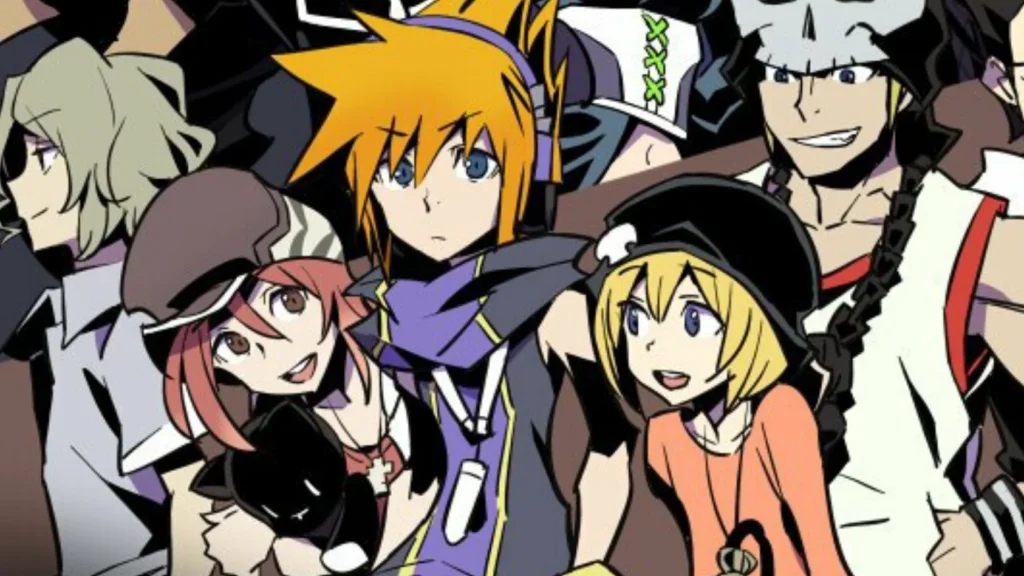
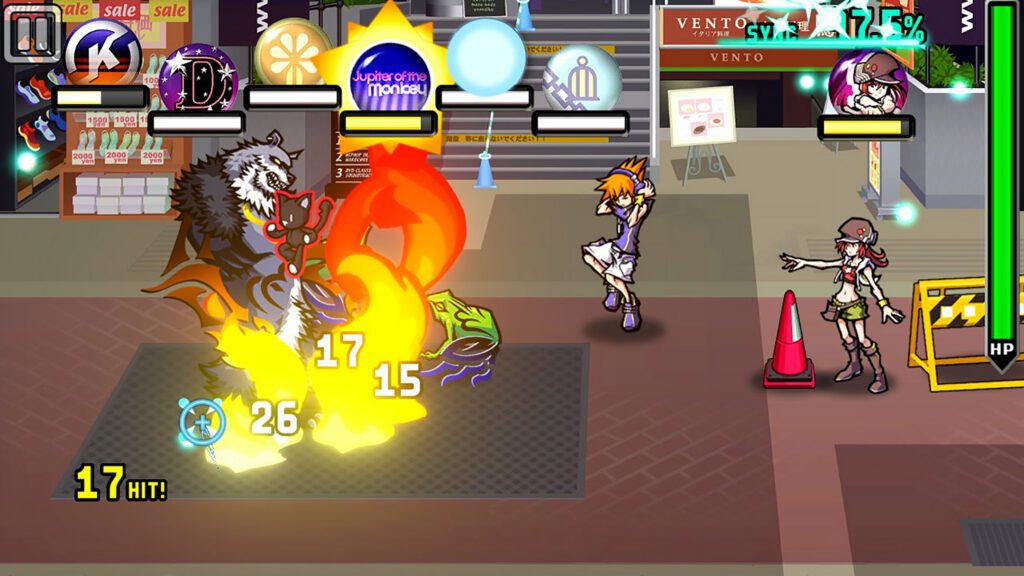
Set in a hyper-stylized version of Shibuya, Tokyo, The World Ends With You remains a uniquely “bold and relevant” entry in the Square Enix catalog. It distinguishes itself by fusing modern youth culture, fashion-based equipment systems, and a genre-bending soundtrack into a cohesive whole. Its narrative exploration of identity and human connection continues to resonate with contemporary audiences nearly two decades after its debut.
The game’s unconventional combat—originally designed for the dual screens of the Nintendo DS—has been successfully adapted for modern hardware via the Final Remix and its sequel, NEO: The World Ends With You. While its influence on aesthetically driven RPGs is undeniable, it occupies the tenth spot as a stylistic outlier—a creative risk that commands a passionate cult following but lacks the global footprint of the company’s primary pillars.
9. Octopath Traveler II
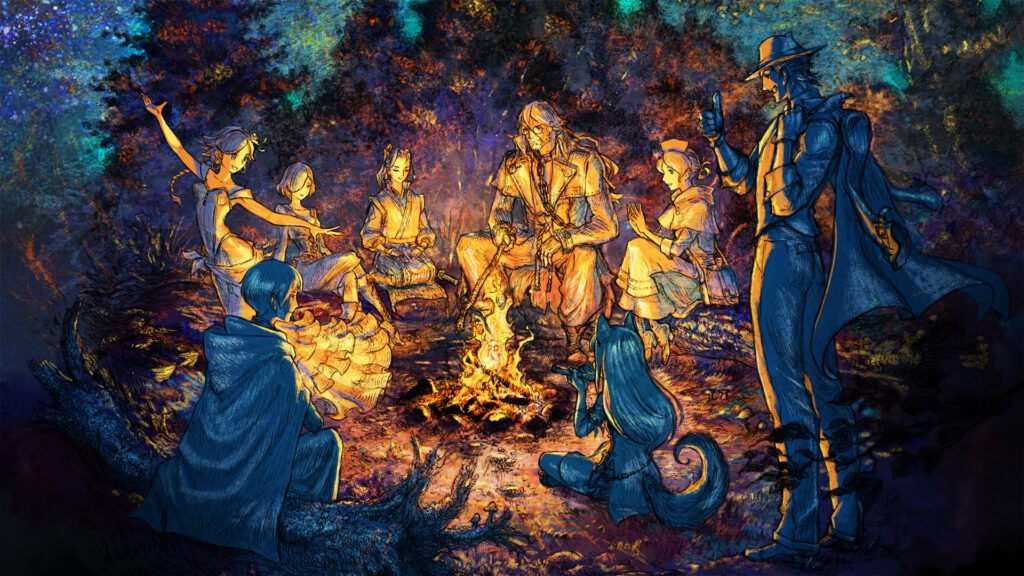

Octopath Traveler II is the title credited with refining the “HD-2D” formula into an enduring industry benchmark. Combining retro pixel art with modern 3D lighting, it strikes a perfect balance between nostalgia and contemporary visual clarity. Mechanically, the game is lauded for its “Break and Boost” combat system, which rewards strategic planning and tactical depth.
The sequel improved upon its predecessor by more meaningfully intertwining the individual stories of its eight protagonists. By 2026, the series had shipped over seven million copies, proving that traditional turn-based systems can still command a massive audience. It ranks at number nine as a “modern nostalgia” masterpiece that honors the past while innovating enough to remain fresh.
8. Kingdom Hearts II (Final Mix)

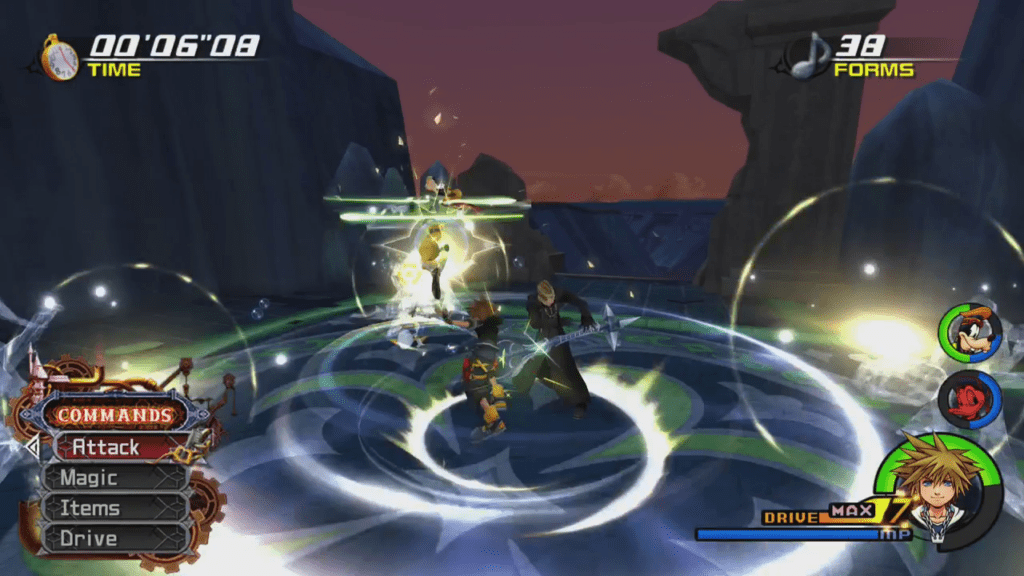
While the Kingdom Hearts franchise often faces scrutiny regarding its convoluted narrative, Kingdom Hearts II Final Mix is widely regarded in 2026 as the absolute pinnacle of action-RPG combat. The game’s fluid “Reaction Command” system, strategic “Drive Forms,” and high-intensity boss encounters set a standard for mechanical precision that subsequent entries have struggled to exceed.
The title’s brilliance lies in its bold premise: merging Square Enix’s high-stakes storytelling with Disney’s iconic characters and worlds. Despite its age, it continues to sell well on modern platforms, bolstered by native Switch 2 ports that fixed the performance issues of previous cloud-based versions. It holds the eighth spot because its gameplay is arguably the best in the genre, even if its “narrative experimentalism” can be polarizing.
7. Dragon Quest VII Reimagined
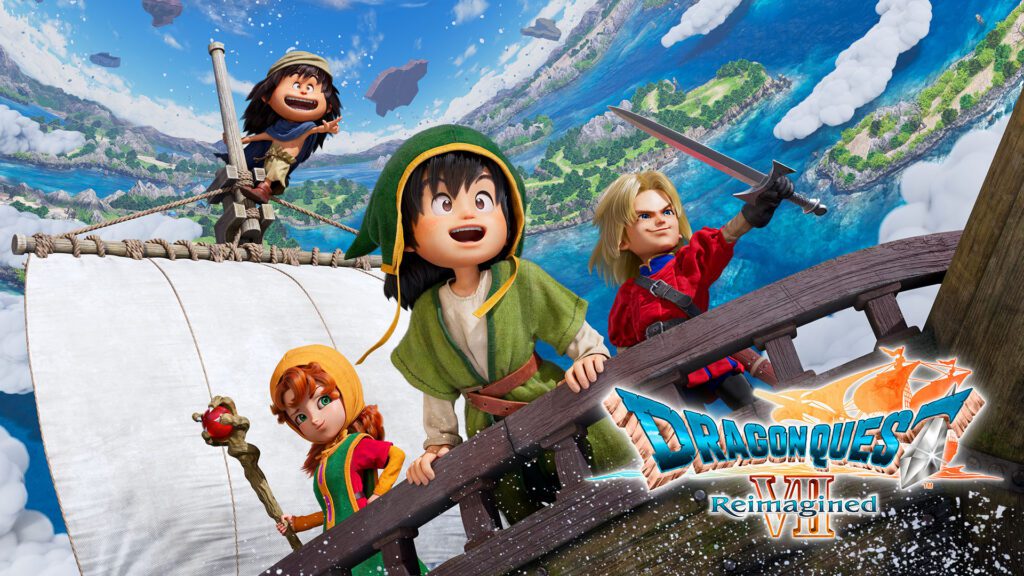

The February 2026 launch of Dragon Quest VII Reimagined represents the ultimate evolution of Square Enix’s strategy to modernize its “grueling” classics. The original 2000 version was notorious for its 100-hour length and slow opening; the reimagining “sands down” these friction points with streamlined pacing and a “3D Studio Ghibli-esque” diorama visual style.
New mechanics, such as the “Let Loose” system—a “Limit Break” style feature—add a modern layer of tactical depth to the classic turn-based combat. Critics have hailed it as a “modern JRPG masterpiece” that provides a perfect “on-ramp” for new fans while preserving the charm of the original. It ranks seventh for its success in modernizing a difficult classic without losing its soul.
6. Xenogears


Xenogears remains a fixture of “best of all time” discussions due to what many consider the “greatest story” ever told in an RPG. Its narrative is a complex tapestry of Jungian psychology, Gnostic theology, and geopolitical intrigue. The game was decades ahead of its time with a dual-combat system that alternated between on-foot martial arts and giant mech (“Gear”) battles.
Although it famously suffered from budget and time constraints during its original release—resulting in a controversial text-heavy second disc—its thematic ambition remains unsurpassed. In 2026, it remains the #1 dormant property that fans wish to see revived. It is ranked sixth because its narrative peaks are higher than almost any other title, though its unfinished nature prevents it from reaching the top five.
5. NieR: Automata


Celebrating its ninth anniversary in 2026, NieR: Automata has officially surpassed 10 million units sold, solidifying its place as a modern legend. Directed by Yoko Taro, the game is a unique hybrid of hack-and-slash action and philosophical exploration (and a particularly difficult, yet optional, boss fight). Its narrative design is its most famous attribute, requiring three distinct playthroughs from different perspectives to reach the true conclusion.
The game’s existential themes—exploring the nature of consciousness and the cycle of conflict through androids 2B and 9S—have ensured its lasting cultural impact. It is frequently cited as a primary influence on a new generation of narrative-driven titles. It sits at number five for being the perfect example of how Square Enix can take massive creative risks that pay off both critically and commercially.
4. Dragon Quest XI S: Echoes of an Elusive Age
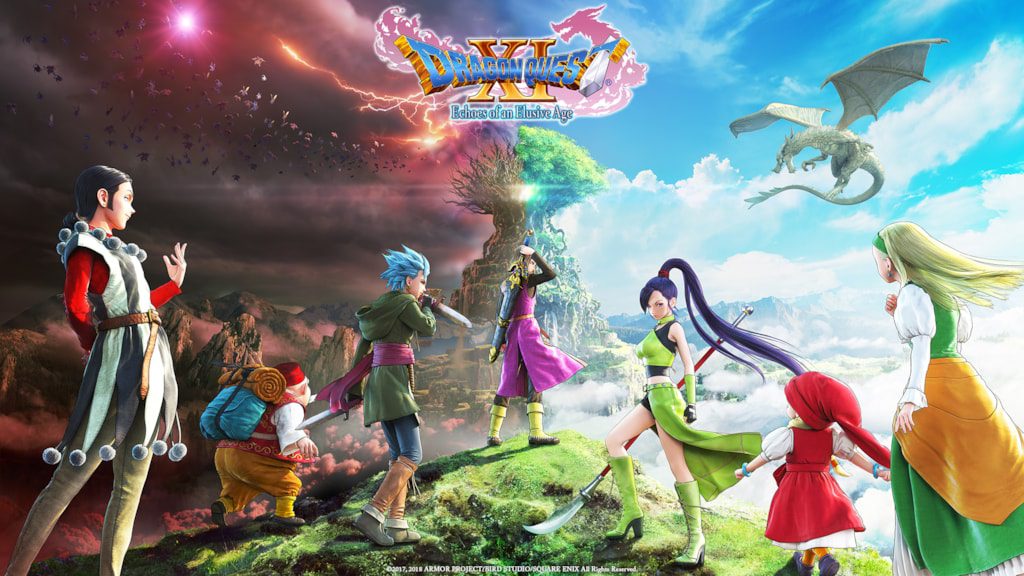

Dragon Quest XI is widely regarded as the perfection of the traditional JRPG formula. While other series have pivoted toward action-based combat, Dragon Quest XI succeeded by doubling down on its turn-based roots and Akira Toriyama’s vibrant art. The “S” definitive version finally cemented the franchise’s global popularity, shipping over 9 million units by 2026.
The game’s brilliance lies in its world-building and “playful spirit,” offering a sense of comfort and adventure that is rare in modern gaming. Its post-game “Act 3” content is frequently cited for elevating the story to the top tier of the genre. It ranks fourth because it is the “foundation” of the Japanese console RPG, executed with modern visual fidelity that rivals any current-gen standard.
3. Final Fantasy Tactics: The Ivalice Chronicles
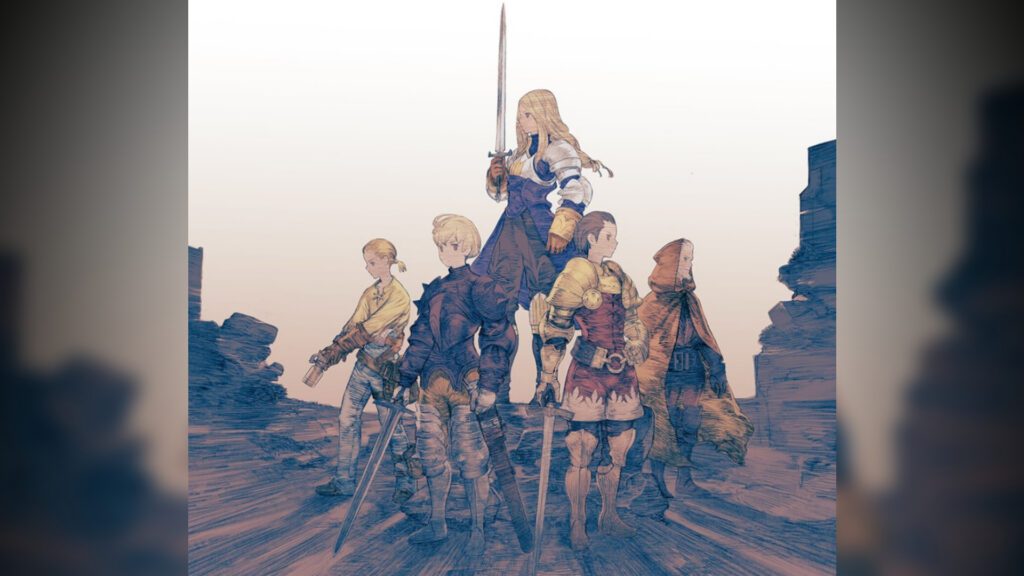

The September 2025 release of The Ivalice Chronicles revitalized the tactical RPG sub-genre, winning Best Strategy Game at The Game Awards 2025. This definitive version achieved Metacritic scores up to 90, thanks to meaningful quality-of-life updates and full voice acting that added new emotional weight to its story of political betrayal and class struggle.
The game’s job system remains the “golden standard,” offering over 400 billion possible party combinations. Critics in 2026 view it as a raw, politically resonant reflection of real-world struggle that has “met the moment” for modern audiences. It earns its place at number three as an undisputed masterpiece of strategy and storytelling that proves great design is timeless.
2. Final Fantasy VII (Original & Remake Trilogy)
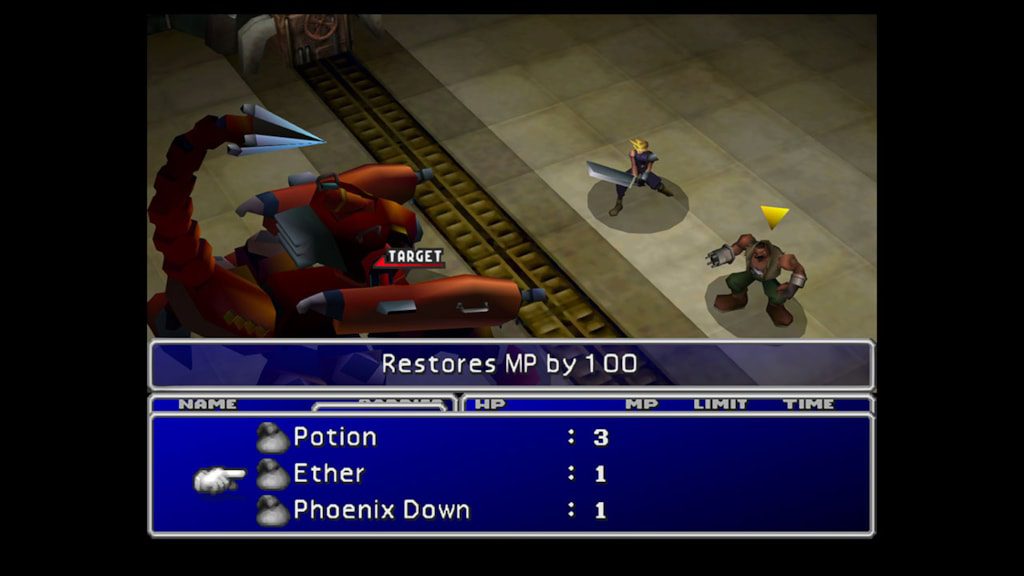

Final Fantasy VII is the cultural monolith of Square Enix, credited with the global popularization of JRPGs. While the 1997 original remains a cinematic benchmark, the 2024–2026 “Remake” project has redefined the possibilities of the genre. By early 2026, Final Fantasy VII Remake Intergrade saw a massive resurgence, jumping to 9th place on the US best-seller charts following its release on Nintendo Switch 2 and Xbox.
The “Remake” trilogy is celebrated as a “pseudo-sequel” that engages in a meta-textual dialogue with the player’s expectations (and some heavy star-power to boot). Its combat system successfully bridges the gap between high-octane action and tactical strategy. It is the second-best title because it remains the publisher’s most successful and trans-generational property, continuing to dominate the cultural zeitgeist.
1. Chrono Trigger

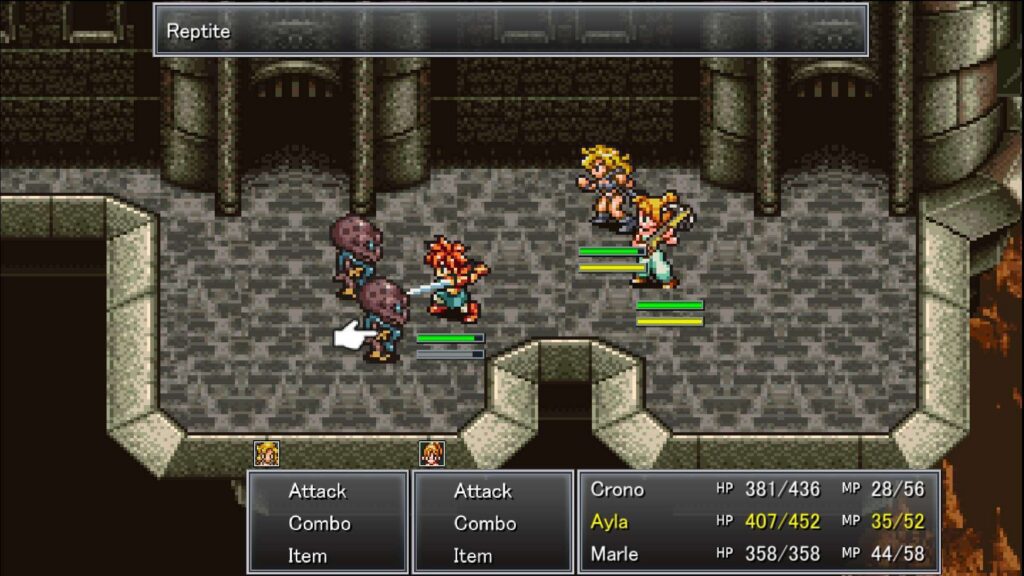
Nearly 30 years after its release, Chrono Trigger continues to hold the top position in critical retrospectives and community polls. Developed by a “Dream Team” of industry legends, it is considered a masterclass in narrative pacing and mechanical synergy. Its time-travel mechanic is not just a plot device but a core feature that facilitates meaningful player agency across multiple branching endings.
The game’s Active Time Battle (ATB) 2.0 system, featuring positional combat and multi-character “Tech” combinations, is still cited by professional designers as the definitive iteration of turn-based combat. Despite the lack of a modern high-fidelity remake, the original pixel art and Yasunori Mitsuda’s score remain evocative and unmatched. It is ranked number one because it lacks “genre bloat” and achieves a level of perfection that few games in history have ever reached.
Final Thoughts

This ranking highlights two distinct philosophies that have long competed within Square Enix: the grounded, politically complex “Matsuno Philosophy” (seen in Final Fantasy Tactics) and the high-spectacle, emotionally-driven “Nomura/Kitase Philosophy” (seen in Final Fantasy VII and Kingdom Hearts). In 2026, the company’s greatest strength is its ability to hybridize these approaches, blending tactical depth with cinematic action.
Now, even more notable names are taking the spotlight with their body of work within the company: Naoki “Yoshi-P” Yoshida (Final Fantasy XIV; Final Fantasy XVI), Naoki Hamaguchi (Final Fantasy VII Remake and Rebirth), Akitoshi Kawazu (Romancing SaGa; SaGa Emerald Beyond), Tomoya Asano (Octopath Traveler I & II; Bravely Default; Live A Live), Yosuke Saito & Yoko Taro (NieR: Automata; NieR Replicant) are all names that are paying homage to Square Enix’s experimental DNA, while embracing contemporary elements of storytelling and gameplay.
When it comes to choosing the 10 best Square Enix titles of all time, there is always going to be some debate—51 years, considering the Squaresoft and Enix merger and the respective time of each company’s founding, to be precise. We likely left one or another out, but one key fact remains the same: Square Enix is still the main name to be remembered when it comes to RPGs.